Carmen Sevilla Tours

Categories
Curiosities about Seville

Do you know the famous Triana neighbourhood on the other side of the river?


Triana is one of those places in Seville that has a special charm and “purity” as the locals themselves would say.

The origin of this neighbourhood goes back to Roman times, even the name Triana, according to some versions of the history of this place could come from the Emperor Trajan. The legend of the famous Triana potters Santa Justa and Rufina, who suffered martyrdom at the hands of the Romans because they refused to renounce their Christian faith, also dates back to this period.

The pottery tradition on this side of the river was reinforced, especially during the Muslim period and after the Christian conquest, making this art form a hallmark of Triana. Very close to the food market you can visit the pottery museum, perfect for understanding the evolution of pottery in the city and the different techniques used.

After the discovery of America, Seville became the Port of the Indies and Triana sailors were the first to reach the new world, as evidenced by the name of the first man who sighted land in Columbus’ expedition, Rodrigo de Triana.

The 19th century and romanticism undoubtedly marked the history of Triana, linking its name and folklore with flamenco and bullfighting. Nowadays this area of Seville still preserves the flamenco music tradition in the many “tablaos” that offer a wide range of shows full of passion that will thrill you.

Don’t miss out on discovering this ancient quarter of Seville full of history and tradition, you can also write to me to organize your private visit and not miss a single detail of Triana.

Remember to bring your passport, because as the saying goes, for a “trianero” Triana is an independent territory from Seville 😉.

Categories
Curiosities about Seville

Do you know the Hospital de los Venerables in Seville?

This building is located in the heart of the Santa Cruz neighbourhood, which was the old Jewish quarter of Seville and is one of those places with a special charm that takes you back in time.Seville in the 17th century was a city of contrasts, on the one hand it still retained the fame and glory of being the gateway and port of the new world, after the discovery of America, on the other hand the power of the Hispanic monarchy and its control over the newly discovered territories was coming to an end.

The city had a large religious population, spread throughout the many monasteries that Seville had, and when they reached the age of majority they needed care that was provided in this hospital, called the “Hospital de los Venerables Sacerdotes” (Hospital of the Venerable Priests).


Inside is the Diego de Velázquez Centre, with some of the first paintings by this Sevillian genius of universal art. The visit also includes the courtyards and the church of the old hospital. This church is a Baroque masterpiece, with mural paintings by Valdés Leal, Lucas Valdés and carvings by the most important masters of Andalusian imagery.


General admission costs €10 and reduced admission €8, take note and don’t miss this interesting place that will surprise you.
If you would like me to accompany you to visit the Hospital de los Venerables, write to me and we will organise your private visit 😉.

Categories
Curiosities about Seville Legends

Did you know that the primitive city of Seville has been compared to Plato’s Atlantis?

When we talk about the origins of Seville, mythology and history are sometimes mixed, since we do not have too many historical sources of these distant times.

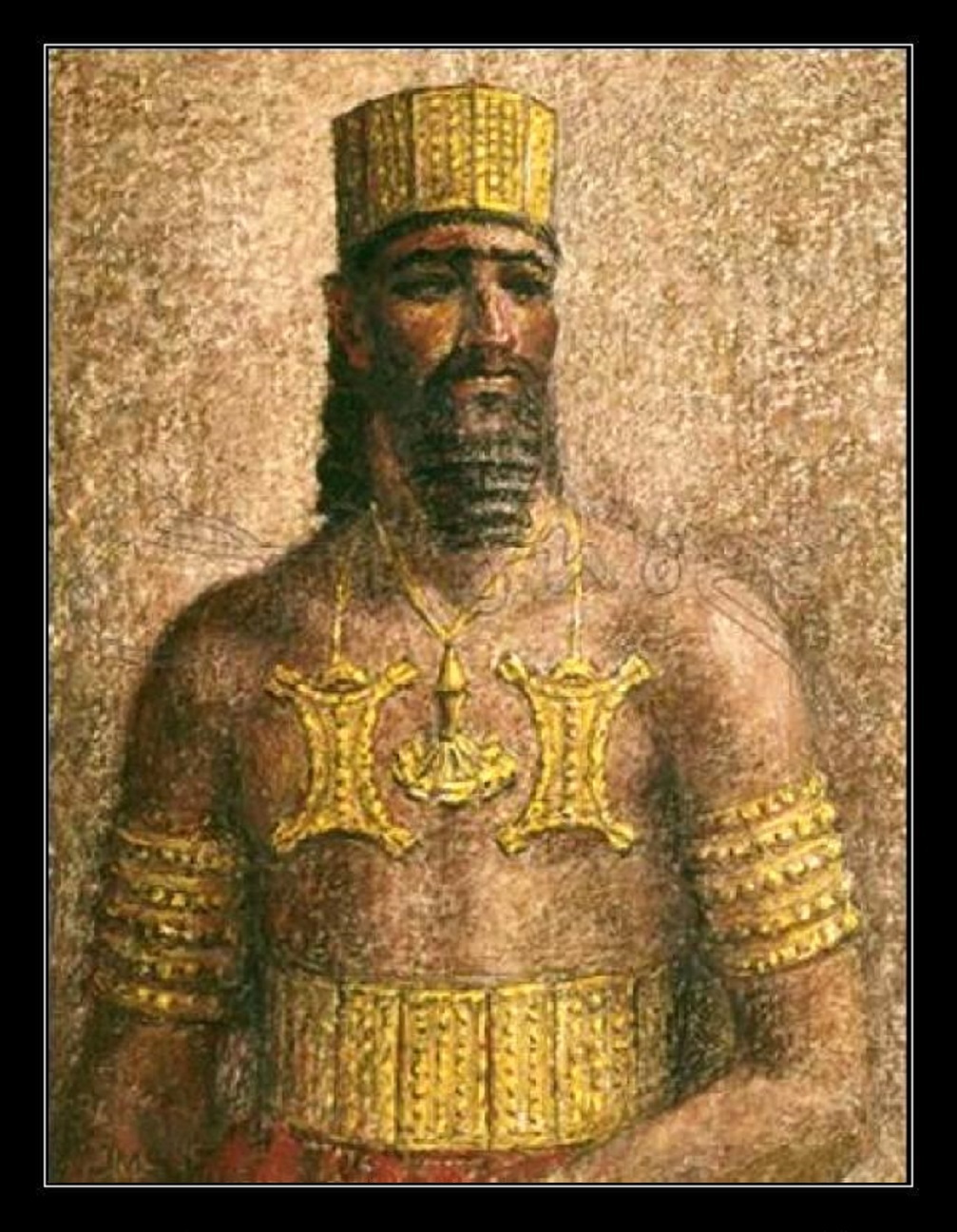
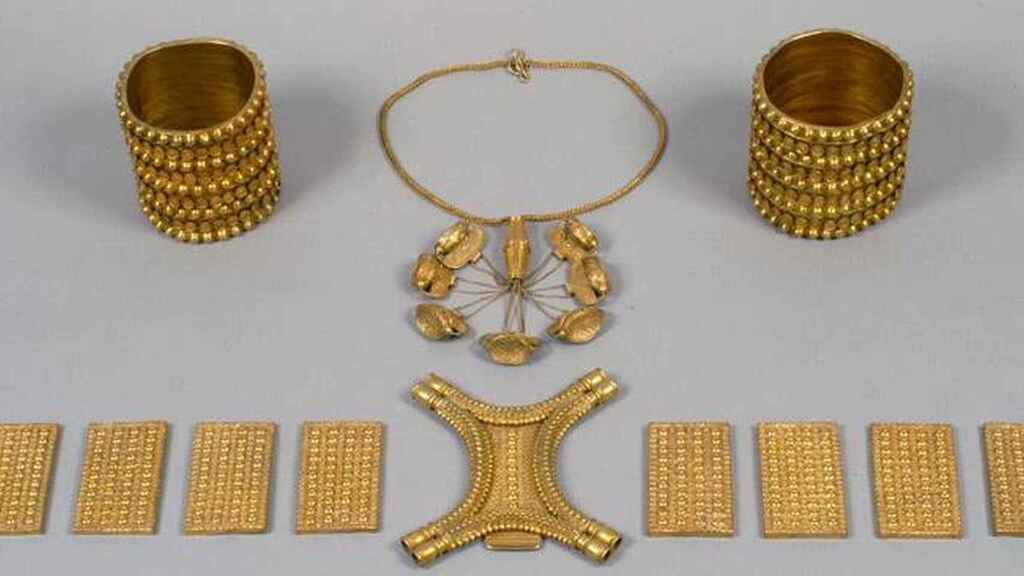
We know that the first known civilization in this area would be the Tartessians, their culture would be a mixture between the local tribes that were already settled in the area of the lower Guadalquivir and Phoenician traders who arrived around the year 1000 BC, seeking to expand their commercial ports throughout the Mediterranean Sea.

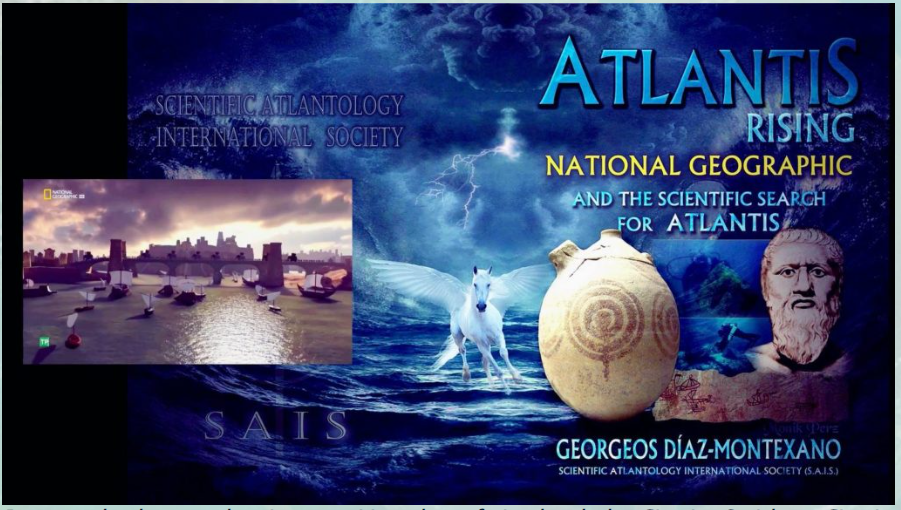
In the year 2017 a Documentary produced by the famous director James Cameron and National Geographic, compared this primitive western civilization, the Tartessians, with the lost Atlantis that Plato described in his books, since these first organized settlers of the peninsula would also be very rich in precious metals, coming to trade according to the Old Testament with famous King Solomon in Jerusalem.

According to studies and archaeological remains found, this civilization would come to an end in the sixth century BC, leaving great mysteries and unknowns to be discovered.

Categories
Curiosities about Seville

Did you know that the largest wooden construction in Europe is located in Seville?

The Metropol Parasol, or what everyone already knows as ¨Las Setas¨, is a modern construction made of wood, of the pine variety fines whose main feature is flexibility.

Realized by the Berlin architect Jürgen Mayer, it was inaugurated in 2011. The building is 150 m long, 70 m wide and almost 30 m high.

At first it was a bit off-putting to the Sevillians, because of the modernity of the work in the heart of the historic center.

Today it is one more monument of the city, where you can have one of the best views of Seville and its sky, visit the subway area the Anticuarium, with Roman remains or browse the continuous exhibitions of modern art.


Categories
Curiosities about Seville

Do you know the unique architectural style of the Iberian Peninsula?

During the Middle Ages, Christian, Jewish and Muslim cultures coexisted in Spain, and this mixture was also reflected in art, which gave rise to the Mudejar style.

One of the best examples of this art can be found in Seville, with the Mudejar Palace of Pedro I of Castile, built in the 14th century.
This palace reflects the cultural mix of Seville at the time, a Christian palace built in the Islamic style. In all the rooms and corridors of the Palace the geometric and vegetal decoration in wood and tiles, typical of the Muslim world, as well as inscriptions from the Koran, are mixed with symbols already referring to the Christian crown of Castile and León.

This style was widely used in the palace houses of the time, which found their inspiration in the Real Alcázar of Seville.

Categories
Curiosities about Seville

What do Seville, Hercules and the famous dollar sign have in common?

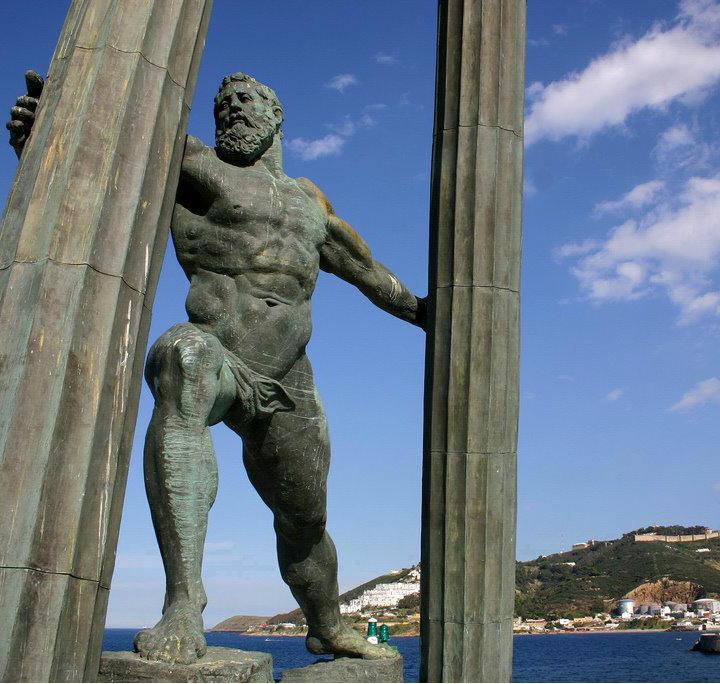
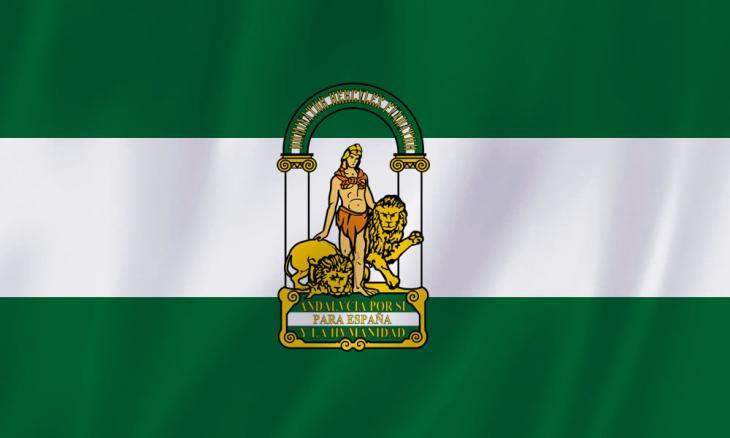
The history of Seville is full of legends, the most famous of which is undoubtedly associated with its founder, Hercules.

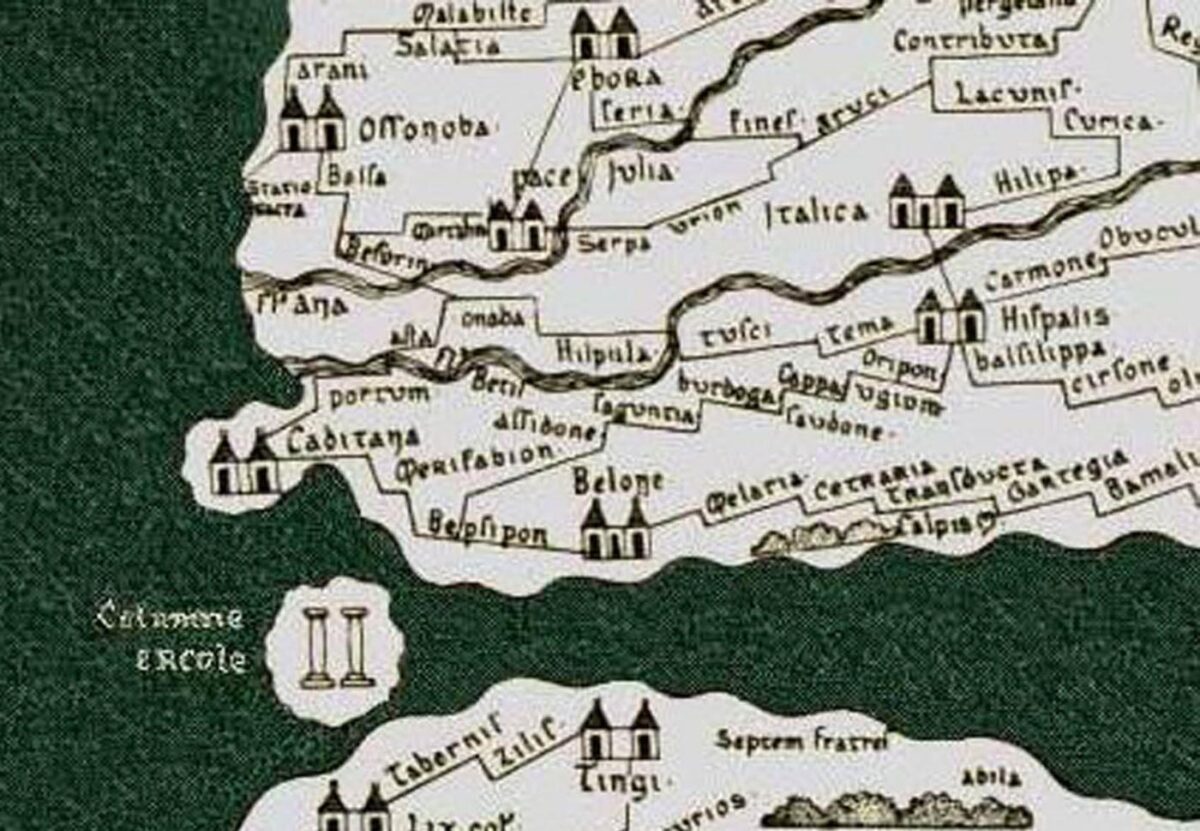
According to mythology, this demigod was the founder of the city and also of Spain, when, according to legend, he arrived in what is now the south of the peninsula to separate Europe from Africa, since millions of years ago all the continents were united in a great mass of land called Pangea.

To this mythological hero we owe the famous columns of Hercules and the emblem “Non Plus Ultra” (nothing beyond) which at the beginning of the 16th century was changed to “Plus Ultra”, a decoration that is repeated on most monuments all over Spain. Can you find them 😉

These columns would later decorate the Real de a Ocho, the currency of the kingdoms of Spain, which for a long time was a world reference for exchange and which would serve as inspiration for the creation of the famous American Dollar symbol.